
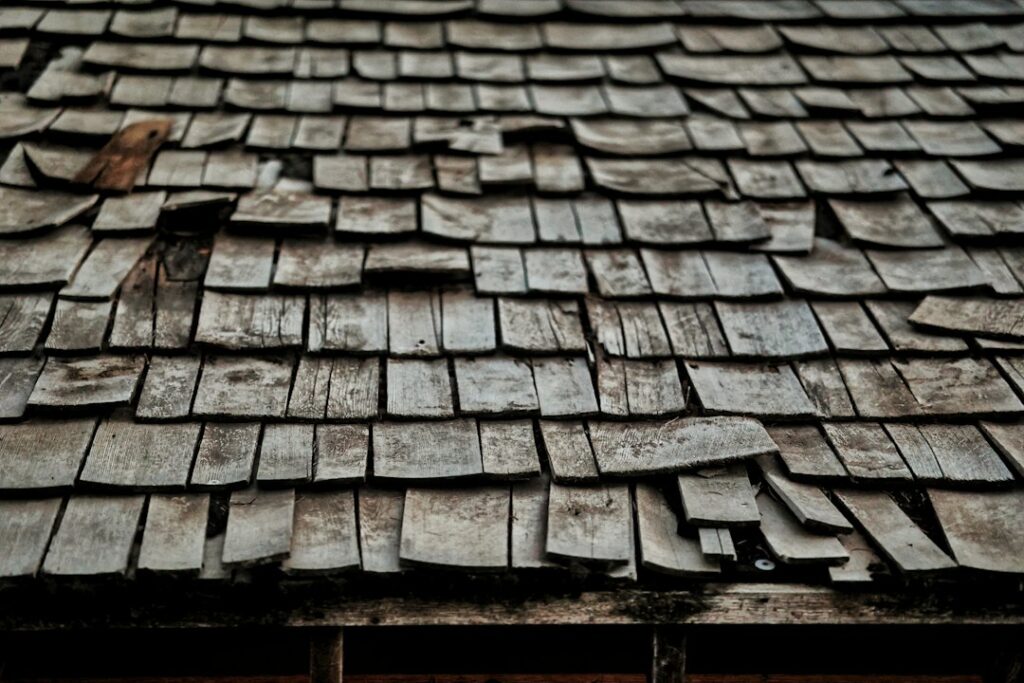
A roof leak may be covered by homeowners insurance if it results from a sudden, accidental event included in the policy, such as wind, hail, or a falling tree. A leak caused by age, poor maintenance, worn materials, or long-term deterioration is usually not covered.
The exact answer depends on the policy language, the cause of the damage, the roof’s condition, and whether the homeowner took reasonable steps to prevent additional damage.
What types of roof leaks are usually covered?
Roof leaks are generally considered for coverage when a covered event damages the roof and allows water to enter the home. Common examples include:
- Wind lifting or tearing shingles
- Hail puncturing roofing materials
- A tree or large branch falling on the roof
- Damage caused by the weight of certain covered weather conditions
- Fire, lightning, or another specifically listed peril
- A sudden event that creates an opening in the roof
For example, if a severe storm damages several shingles and rain enters through that opening, the policy may cover repairs to the damaged roof and resulting interior damage. Coverage may extend to ceilings, walls, insulation, flooring, or personal property if those items were damaged by the covered loss.
The insurer will typically investigate whether the storm created the opening or whether the roof was already deteriorated before the event.
When is a leaking roof usually excluded?
Homeowners insurance is not generally a maintenance contract. It usually does not pay to replace a roof that has simply reached the end of its useful life or developed problems gradually.
Common reasons for a roof leak denial include:
- Old or brittle shingles
- Normal wear and tear
- Rot, deterioration, or corrosion
- Poor installation or defective workmanship
- Lack of routine maintenance
- Repeated leaks that were not repaired
- Damage from insects, birds, rodents, or animals
- Mold or mildew that developed because of an unresolved maintenance issue
- Water entering through an opening that existed before the reported event
A roof may look intact from the ground while still having missing flashing, deteriorated sealant, damaged underlayment, or weak areas around vents and chimneys. Those conditions can cause leaks during heavy rain even when there has been no recent storm damage.
In Gatlinburg, seasonal downpours, wind, falling limbs, and periods of ice or snow can place stress on roofing systems. Weather may reveal a pre-existing problem without being the original cause of the leak.
Does insurance cover the interior water damage?
Sometimes. The roof itself and the inside of the home are evaluated separately.
If a covered event damages the roof and rainwater enters through that new damage, the policy may cover both the roof repair and resulting interior damage, subject to deductibles, limits, exclusions, and policy conditions.
If the leak resulted from an old roof or neglected maintenance, the roof repair may be excluded. Interior damage may also be limited or excluded if the water intrusion was connected to the same uncovered condition.
There can be exceptions. Some policies may cover sudden interior damage even when they do not cover the worn-out item that allowed the damage to occur. Other policies contain exclusions for repeated seepage, mold, rot, or long-term moisture. The wording of the policy matters.
What if the roof is old but a storm also caused damage?
An older roof can still have coverage for new storm damage, but age may affect the payment. The insurer may compare the roof’s pre-loss condition with the damage reported after the event.
The policy may also pay on either a replacement cost or actual cash value basis:
- Replacement cost generally applies the cost of repairing or replacing covered damage without deducting depreciation, subject to policy requirements and the deductible.
- Actual cash value deducts depreciation based on the roof’s age and condition.
A policy that pays actual cash value for the roof may provide substantially less than the cost of installing a new roof. Some policies pay actual cash value initially and release additional replacement-cost funds after repairs are completed and documented. Others may contain special roof-payment schedules or limitations.
The deductible also matters. If covered repairs cost less than or only slightly more than the deductible, filing a claim may not result in an insurance payment.
What should a homeowner do after discovering a leak?
The first priority is to limit additional damage without creating a safety hazard. Practical steps include:

- Place containers under active drips.
- Move furniture, electronics, and other belongings away from the water.
- Take photographs and videos of the roof area, ceilings, walls, flooring, and damaged property.
- Note when the leak was first discovered and what weather occurred around that time.
- Use temporary measures to keep rain out when it is safe to do so.
- Keep receipts for emergency materials, temporary repairs, drying, or cleanup.
- Avoid climbing onto a wet, steep, or damaged roof.
A homeowner should not make permanent repairs or discard damaged materials before the insurance company has had a reasonable opportunity to inspect, unless immediate action is necessary to protect people or prevent further damage. Temporary protection is different from replacing the roof or concealing evidence of the cause.
Should a roof leak be reported as an insurance claim?
A claim may be appropriate when the suspected damage is significant, the cause may be covered, or the loss could exceed the deductible. Small leaks caused by maintenance problems are less likely to produce an insurance payment.
Before reporting a claim, review the declarations page and policy provisions for:
- The deductible
- Roof payment terms
- Replacement cost or actual cash value coverage
- Wind, hail, or other relevant exclusions
- Water damage and repeated seepage exclusions
- Requirements for prompt notice
- Duties to protect the property from further damage
A coverage question is not always the same as a formal claim. In Tennessee, homeowners have protections related to insurance inquiries, but the way a conversation is recorded can depend on the circumstances and the insurer’s systems. Asking how a company handles coverage questions before providing extensive loss details may help clarify the process.
Are leaks from flooding or backed-up water covered?
Standard homeowners insurance generally does not cover flood damage. Flooding can include water that rises or flows onto normally dry land from overflow, heavy runoff, or other sources. Separate flood insurance may be needed for that risk.
Water from a backed-up drain or sewer is also commonly excluded unless the policy includes a specific endorsement. A roof leak, plumbing leak, and flood are different types of losses, even though each can cause water damage inside a home.
How can homeowners reduce roof-leak problems?
Routine observation and maintenance can help identify problems before they become major losses. Useful habits include checking ceilings and attic areas after heavy rain, keeping gutters and drainage paths clear, trimming hazardous limbs when appropriate, and watching for missing shingles, lifted flashing, stains, damp insulation, or musty odors.
Roof inspections and repairs should be handled safely, particularly after storms or when the roof is steep, unstable, or near electrical hazards. Keeping records of roof age, repairs, inspections, photographs, and receipts can also help establish the roof’s condition and the timing of a loss.
The most reliable answer for a specific leak comes from identifying the cause, reviewing the policy’s exclusions and roof-payment provisions, and documenting the damage promptly. A leak is not automatically covered or excluded simply because water entered the home.
